1-Minute Summary & Hook
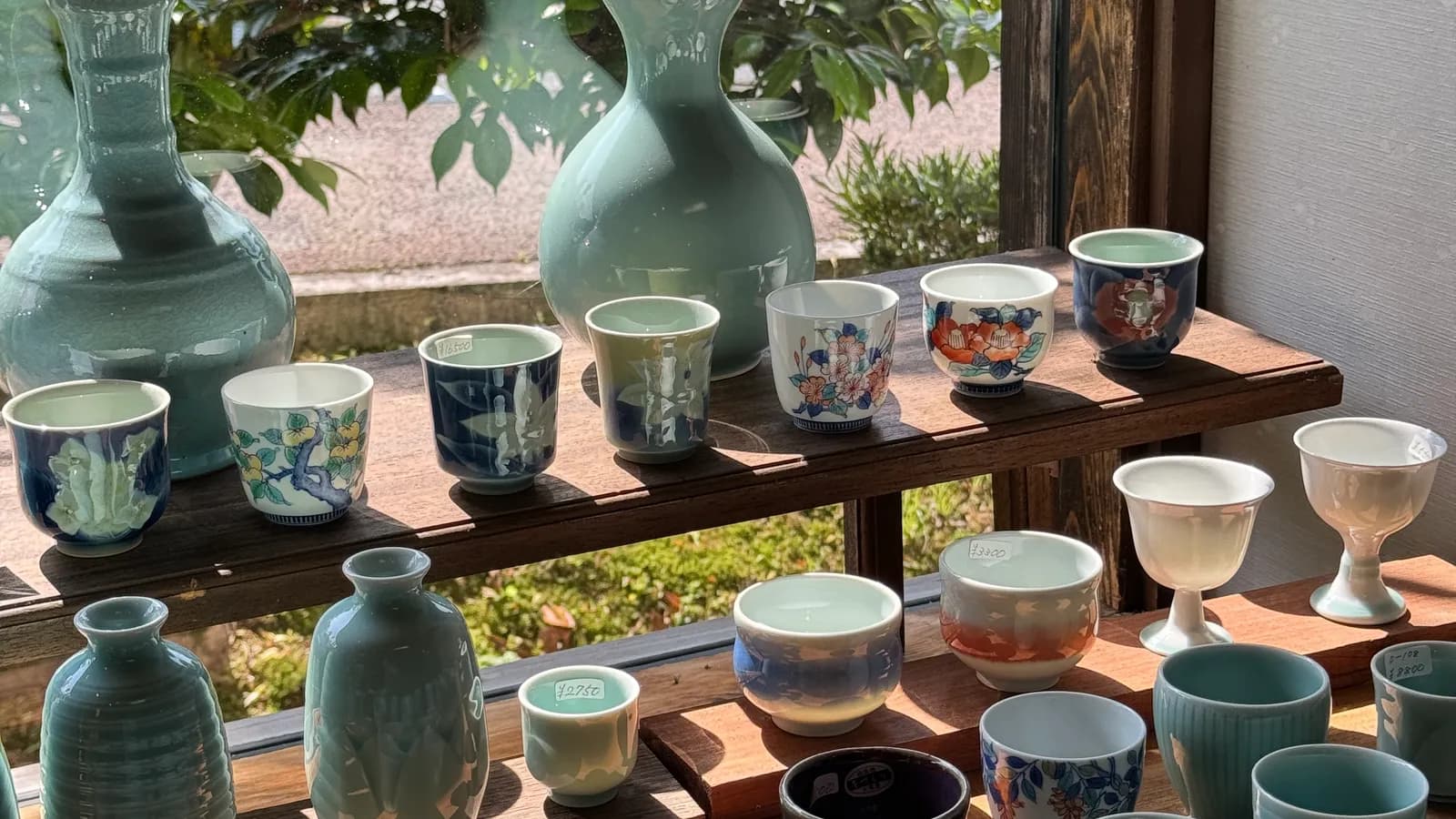
This looks like a pottery trip, but in practice it is really a trip about changing taste three times in three days. Arita is refined, Imari is controlled and secretive, and Karatsu is earthy and restrained. Once you feel those differences in sequence, Saga becomes much deeper than a simple shopping route.
The challenge is timing. Stay too long in Arita and your Imari bus logic collapses. Miss the rhythm in Okawachiyama and the whole middle day weakens. Arrive in Karatsu without enough energy and the route closes flatter than it should. That is why this trip depends on sequencing as much as on beauty.
#bestForcouples with strong taste, slower culture travelers, parents who prefer meaning over volume#difficultymedium#bestSeasonMarch-May, October-November#keyTransportJR + bus + short taxi help#oneLineTakeSaga ceramics is not about buying the most. It is about learning what not to buy too early.
Why Saga Ceramics?
1) Very few routes let you compare three ceramic philosophies this closely
Arita porcelain, Imari's decorative export legacy, and Karatsu's wabi-sabi simplicity create a true progression rather than a repetition.
2) Even non-collectors can enjoy it fully
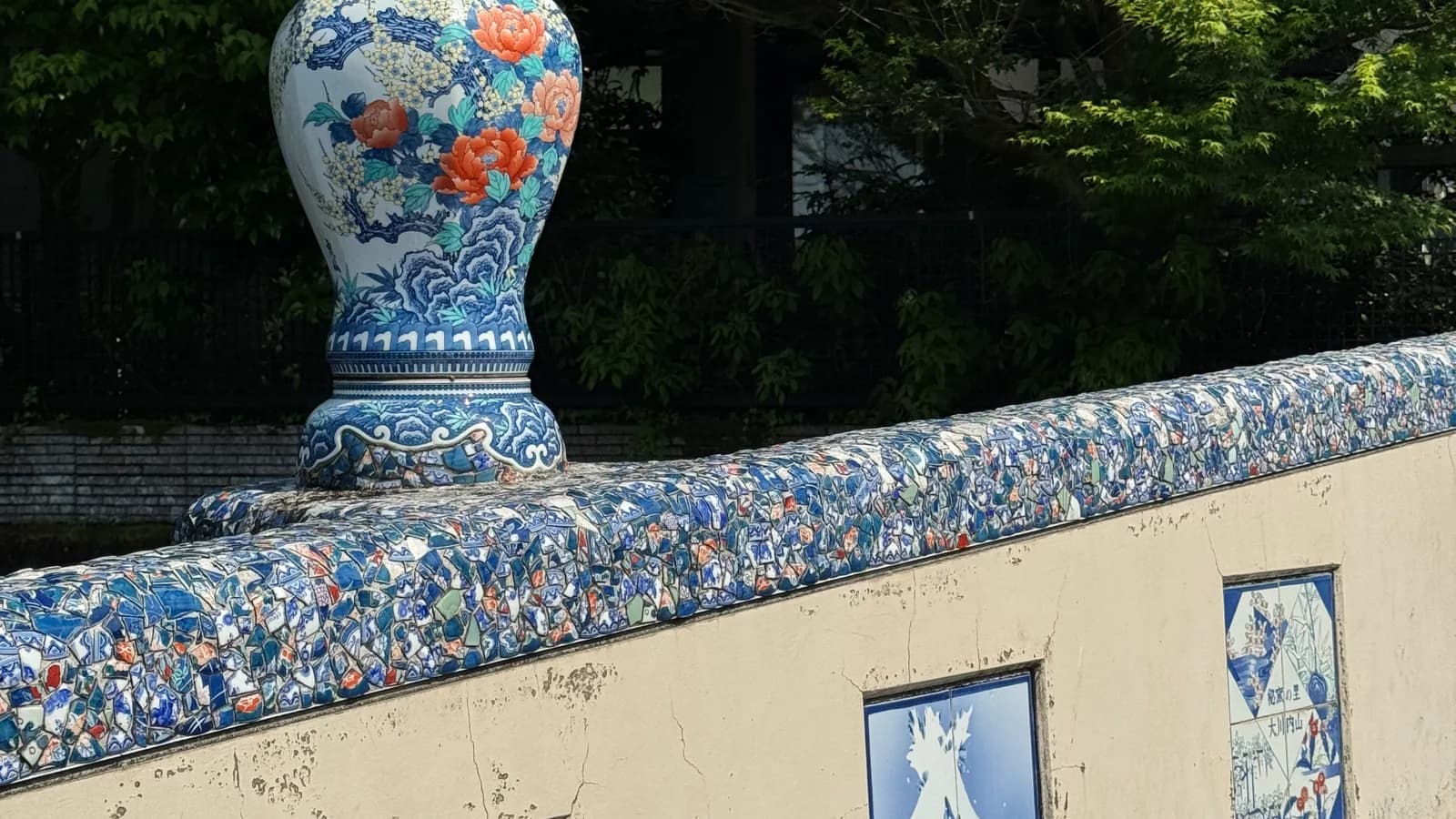
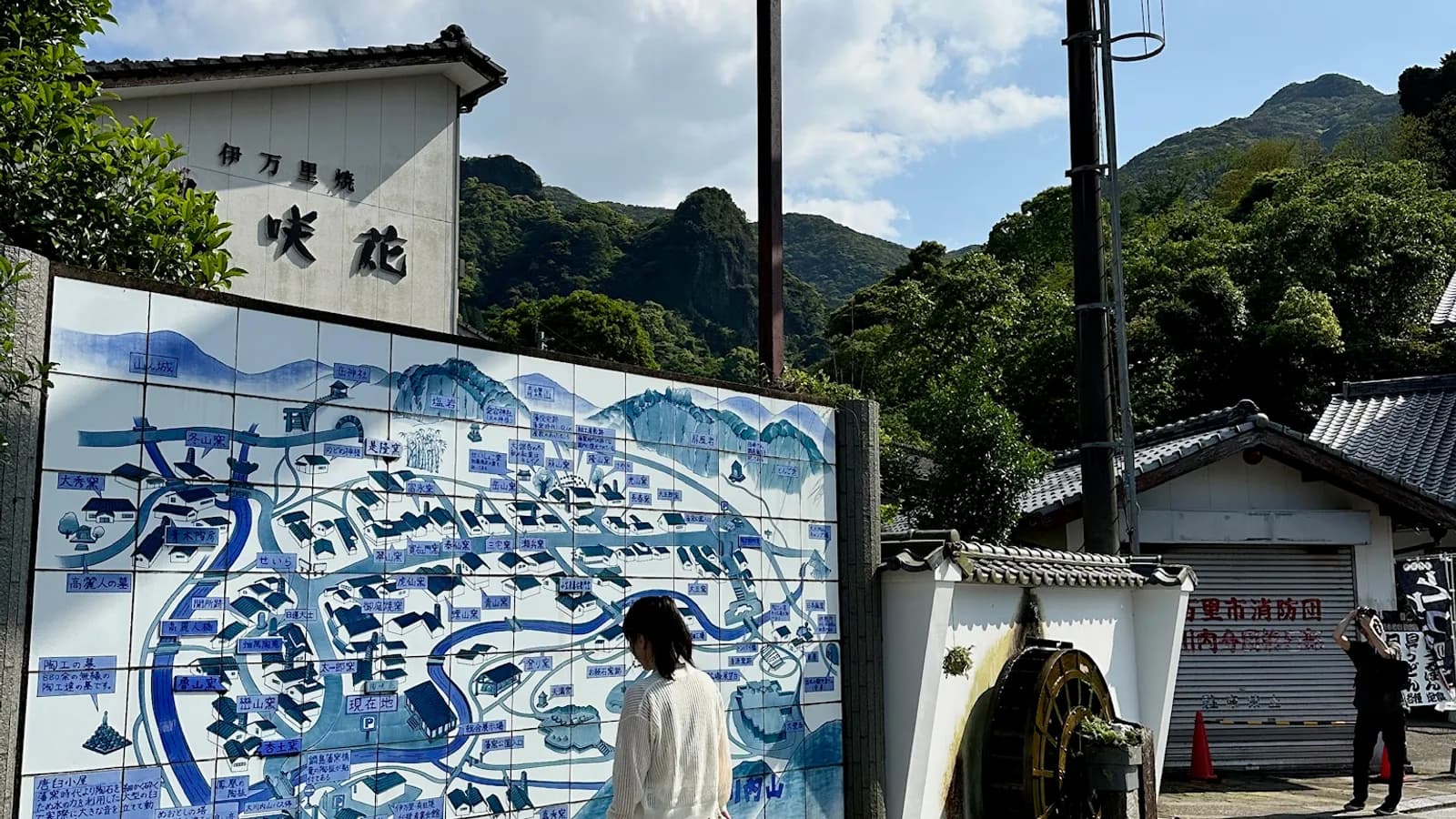
Okawachiyama alone proves that. The village is not just “about pottery.” It feels like a hidden industrial-art landscape with real atmosphere.
⚠️ Reality Check Before You Go
1) Okawachiyama is a schedule-sensitive village
This is the biggest practical variable of the route. If you do not respect the bus timing, the middle day becomes clumsy fast.
2) Do not spend your whole budget on Day 1 in Arita
Use Arita to calibrate your eye. Buying too aggressively there weakens the comparisons that make Imari and Karatsu worth doing.
3) One serious workshop is better than several shallow experiences
Saga gives you too many tempting options. In practice, one well-chosen workshop or one good kiln visit delivers more value than overfilling the route.
4) The route gets better if you delay big purchases
Use Day 1 to calibrate your eye, not to empty your budget. The more serious buying decisions usually feel clearer after Imari and Karatsu.
Low-Fatigue Timeline
Day 1 — Set your ceramic eye in Arita
| Time | Plan | Practical note |
|---|---|---|
| 09:00 | Leave Hakata | Midori express works well |
| 10:20 | Arrive in Arita | Use station lockers if needed |
| 10:40 | Kyushu Ceramic Museum | Open your eye first |
| 12:10 | Lunch | Stay central |
| 13:30 | Kakiemon kiln or a flagship workshop | Taxi is allowed here |
| 15:00 | Workshop or showroom deep-dive | Keep it focused |
| 17:00 | Check in | Shopping closes the day |
Day 2 — Use Imari and Okawachiyama properly
| Time | Plan | Practical note |
|---|---|---|
| 08:30 | Leave Arita | Short ride, but stay disciplined |
| 09:30 | Enter Okawachiyama | Check the return bus first |
| 09:30-12:00 | Walk village + kiln choice | Morning is the real value |
| 12:10 | Return bus | Missing this hurts the route |
| 13:00 | Late lunch in Imari | Reset in town |
| 14:30 | Small galleries / direct shops | Underrated segment |
| 16:30 | Prepare for next day | Do not overwork the evening |
Day 3 — Close with Karatsu's sea and stoneware
| Time | Plan | Practical note |
|---|---|---|
| 09:00 | Move to Karatsu | Morning entry is easier |
| 09:40 | Main kiln visit | The contrast lands better after Days 1 and 2 |
| 11:30 | Seafood or local lunch | Use the sea-town advantage |
| 13:30 | Karatsu Castle / shoreline | Do not end with pottery alone |
| 15:30 | Return toward Hakata | Clean finish |
Key Stops, Practical Tips Included
1) Arita — Where the ceramic eye opens
Arita should come first because it teaches you how to look. The museum matters more than many travelers assume.
2) Okawachiyama — The true highlight of the route
This is the place that proves the route is worth paying for. It feels hidden, dense, and more atmospheric than most pottery villages.
3) Karatsu — You need roughness and sea at the end
After Arita and Imari, Karatsu gives the route a better final texture: less polish, more restraint, and a sea-town atmosphere.
4) Lunch and shopping balance — extreme curation matters
On a ceramics route, too much shopping can flatten your perception. Eat properly. Buy carefully.
5) Field Tools — What to save before you go
- Google Maps search:
Kyushu Ceramic Museum,Okawachiyama,Karatsu Castle - Taxi Japanese:
大川内山の入口までお願いします(Please take me to the entrance of Okawachiyama.) - Navigation search:
大川内山,柿右衛門窯,唐津城 - Mapcode slot: add once your exact parking points are confirmed
Plan B, Real Budget, and the Teaser
Plan B
- If you miss the Okawachiyama bus pivot hard into Imari town
- If the shopping budget starts drifting delay major buying decisions until Day 3
- If workshop booking fails convert the time into a kiln + showroom concentration block
Spend Here, Save Here
- Spend on one serious kiln visit, one strong lunch, and shipping for anything fragile you truly want
- Save on impulse purchases on Day 1, duplicate cups, and overfilling every afternoon
- Decision rule: if you cannot explain why a piece is different from what you saw earlier, wait before buying it
Budget in One Sentence
A realistic 2-night, 3-day Saga ceramic route usually lands around 40,000 to 70,000 yen per person before major shopping.
Teaser for the Next Escape
If Saga is a journey through crafted taste, the next strong contrast is a slower route shaped by shrines, pilgrimage, and forest paths. Mie follows beautifully from here.