
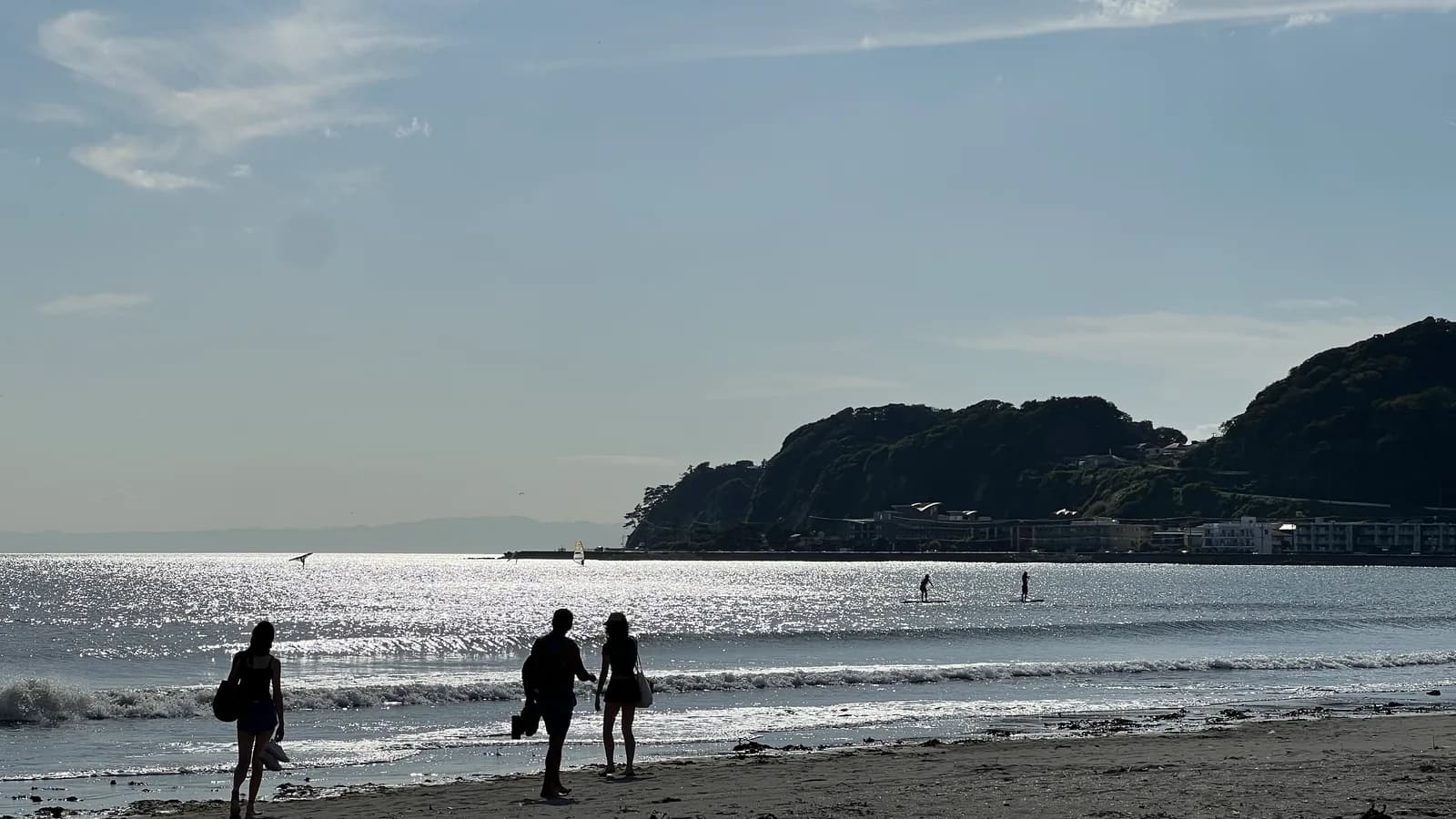
Kamakura is famous enough to look simple, but it rewards restraint. The city feels best when you stop trying to cram every known stop into one overstuffed schedule.
The sea breeze, the tram rhythm, the Great Buddha, and an Enoshima finish can still make one of Tokyo's best day trips — if the route is handled with timing and energy in mind.
Who Kamakura Works Best For
- Tokyo-based day trippers
- couples and parents wanting a softer coastal day
- travelers who like classic spots but still want some breathing room
Three Things to Remember Before You Go
- The famous crossing is an early-morning stop.
- Fresh shirasu has seasonality and daily variables.
- Enoshima costs more energy than many travelers expect.
The Core of Kamakura
1) Enoden
The tram itself shapes the emotional speed of the trip.
2) The Great Buddha and Hasedera
These create the most efficient historical center of the route.
3) Enoshima
Best used as the afternoon climax, not forced too early.
If You Want to Do Kamakura Properly
Kamakura becomes premium once a guide helps you decide what to cut, when to move, and how to keep the day from becoming one long crowd sequence.
- Recommended guide:
src/content/guides/kamakura-seaside.mdx