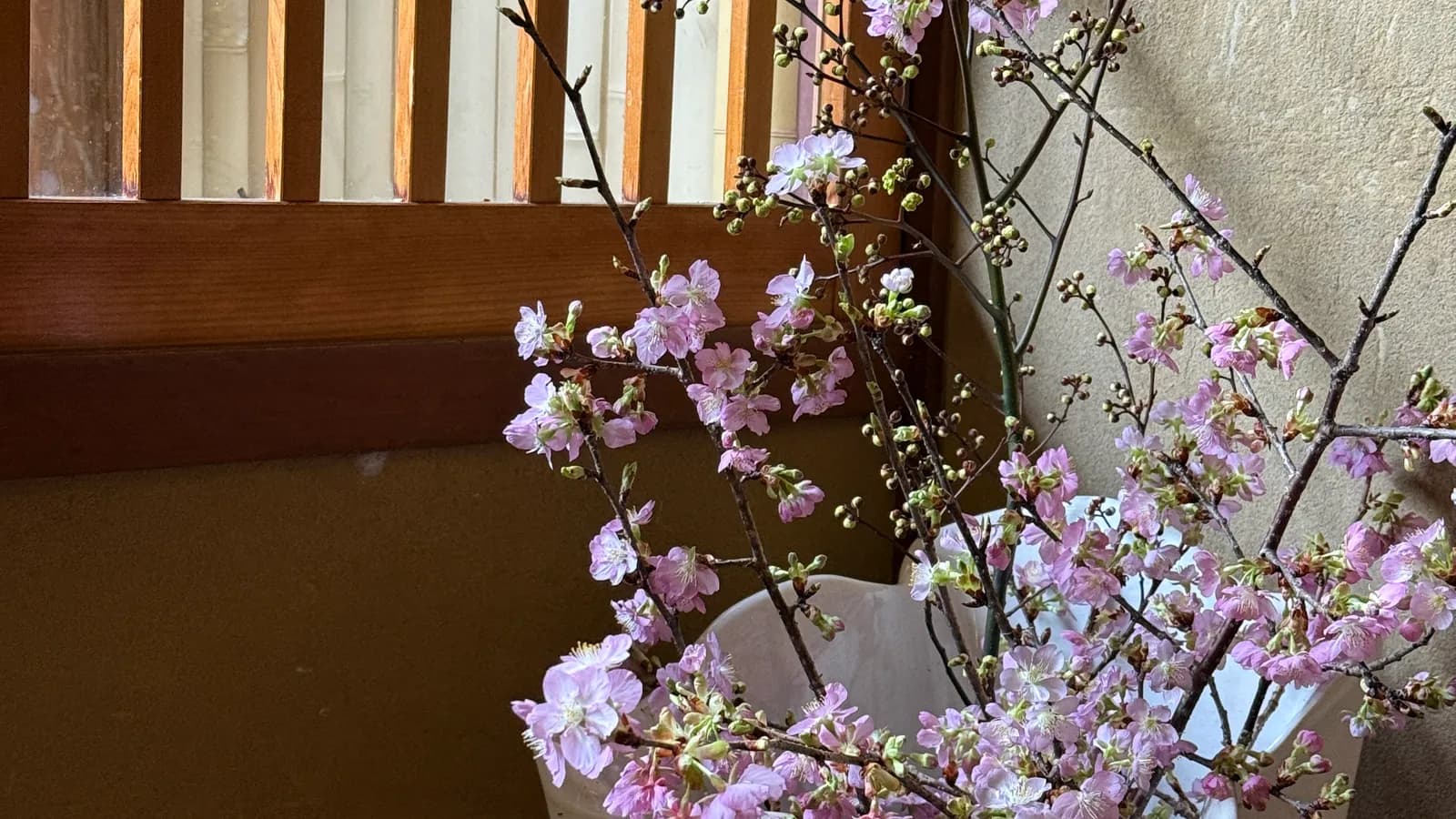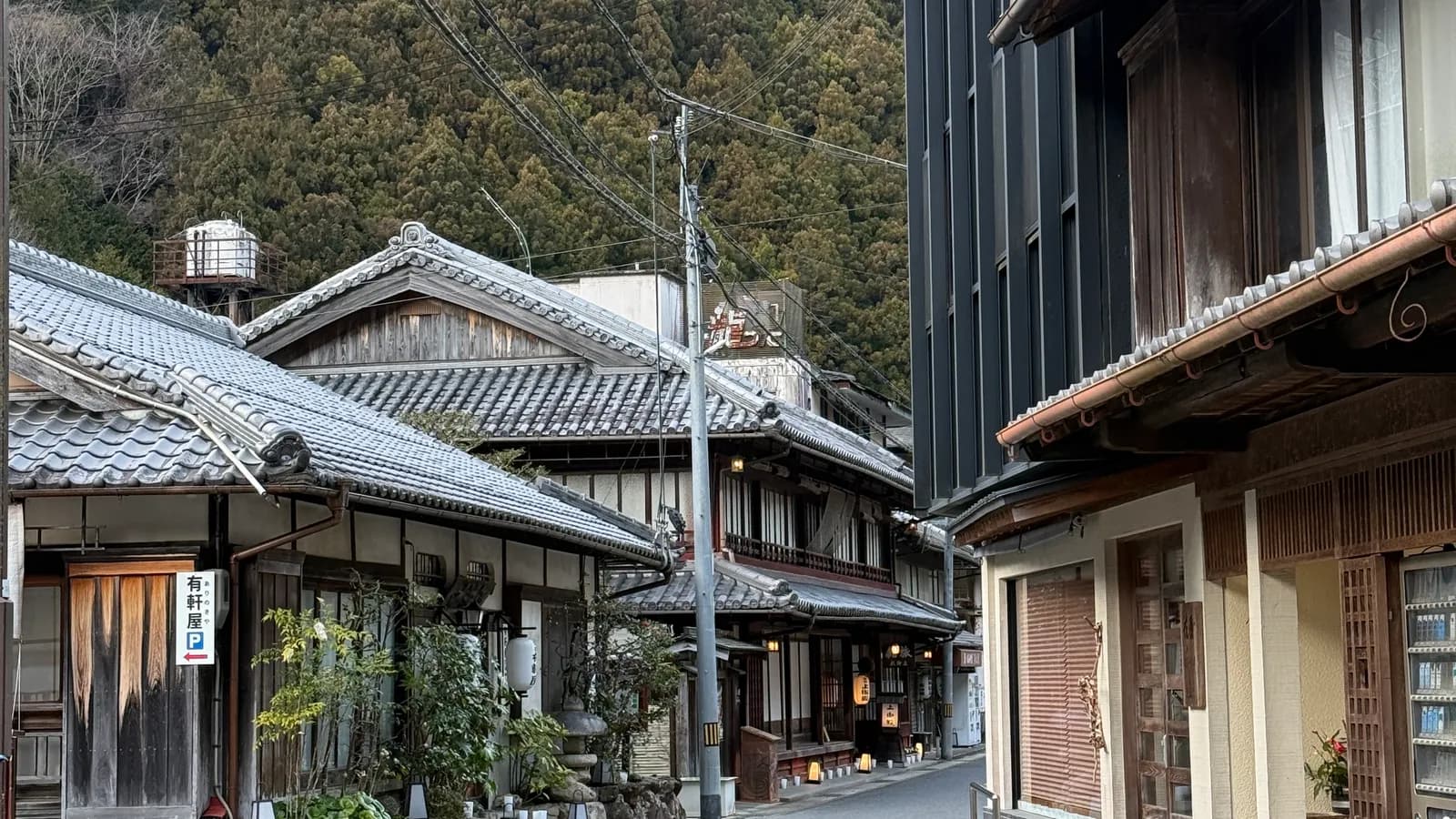
Wakayama is not dramatic in the loud sense. Its strength is quieter: temple air, cedar silence, smooth hot-spring water, and the feeling that the route improves as you slow down.
That does not mean it is effortless. Transfers, mountain roads, lodging style, and meal timing all matter. Wakayama works best when the sacred and restorative parts are arranged deliberately.
Who Wakayama Works Best For
- repeat Kansai travelers
- couples wanting quieter premium travel
- travelers interested in sacred places and onsen depth
Three Things to Remember Before You Go
- Koyasan alone is easy; Koyasan plus Ryujin changes the logistics.
- Okunoin is stronger in more than one light.
- Dinner needs planning once you leave the urban zone.
The Core of Wakayama
1) Koyasan
A mountain settlement where silence is part of the value.
2) Ryujin Onsen
A restorative counterweight to the sacred density of Koyasan.
3) Yuasa
A gentle and very Japanese closing scene for the route.
If You Want to Do Wakayama Properly
Wakayama becomes premium once a guide handles temple rhythm, mountain transfer reality, lodging choices, and how to keep the route calm instead of clumsy.
- Recommended guide:
src/content/guides/wakayama-sacred-trail.mdx