1-Minute Summary & Hook
Nara looks easy on paper. Leave Osaka in the morning, see the Great Buddha, feed the deer, eat lunch, and go back. That is exactly why so many Nara guides feel shallow. They give you the headline stops, but not the details that actually save your time.
This guide focuses on the part people pay for: which train to take, which station exit keeps the route smooth, where to meet calmer deer, how to avoid outdated prices, and what to order at Shigenoi so lunch feels like a win instead of a compromise.
#bestForcouples, history lovers, parents, Osaka-based day trippers#difficultylow#bestSeasonMarch-May, October-November#keyTransportKintetsu train or JR#oneLineTakeEarn your money in Osaka, recover your pace in Nara.
Why Nara, Out of All Places?
1) You can meet the heart of old Japan without the exhaustion of a major city
Kyoto is beautiful, but crowded. Osaka is convenient, but noisy. Nara gives you a different rhythm. Todaiji, free-roaming deer, and the quiet machiya lanes of Naramachi all fit into one manageable day. It is one of the few day trips in Kansai that feels culturally dense without draining your body.
2) Lunch can still feel local, not tourist-scripted
Nara becomes much more valuable when you add a place like Shigenoi. If you only do the deer and the Great Buddha, the trip stays thin. Once lunch is handled properly, the day gains texture. Nara works best when the route answers not just “what should I see?” but “how do I spend this day with almost no friction?”
⚠️ Reality Check Before You Go
1) The regular Kintetsu rapid is usually the smarter choice
A lot of guides highlight Osaka Namba -> Nara in 35 minutes, but that usually assumes a Kintetsu limited express. It is faster, but the surcharge adds up.
- Best-value default: Kintetsu rapid express
- Namba to Kintetsu Nara: about 40 minutes
- about 680 yen each way, about 1,360 yen round trip
- More comfortable option: Kintetsu limited express
- roughly 1,250 yen each way
- reserved seating, but not essential for most day trips
This guide uses the regular rapid express as the default because premium content should optimize the real trip, not just the prettiest version of it.
2) Todaiji and deer cracker prices are no longer the old numbers you still see online
As of 2026:
- Todaiji Great Buddha Hall adult admission: 800 yen
- Deer crackers: 200 yen
If a paid guide still says 500 yen and 150 yen, trust drops immediately.
3) Handle your coin locker first, not later
If you arrive with a small suitcase or shopping bag and head straight into the park, you will feel it all day.
- First choice: coin lockers inside Kintetsu Nara Station
- Plan B: lockers near the station or tourist information area
- Tip: before 10 a.m. the station lockers are more likely to have space
4) The best deer photos are not near the station entrance
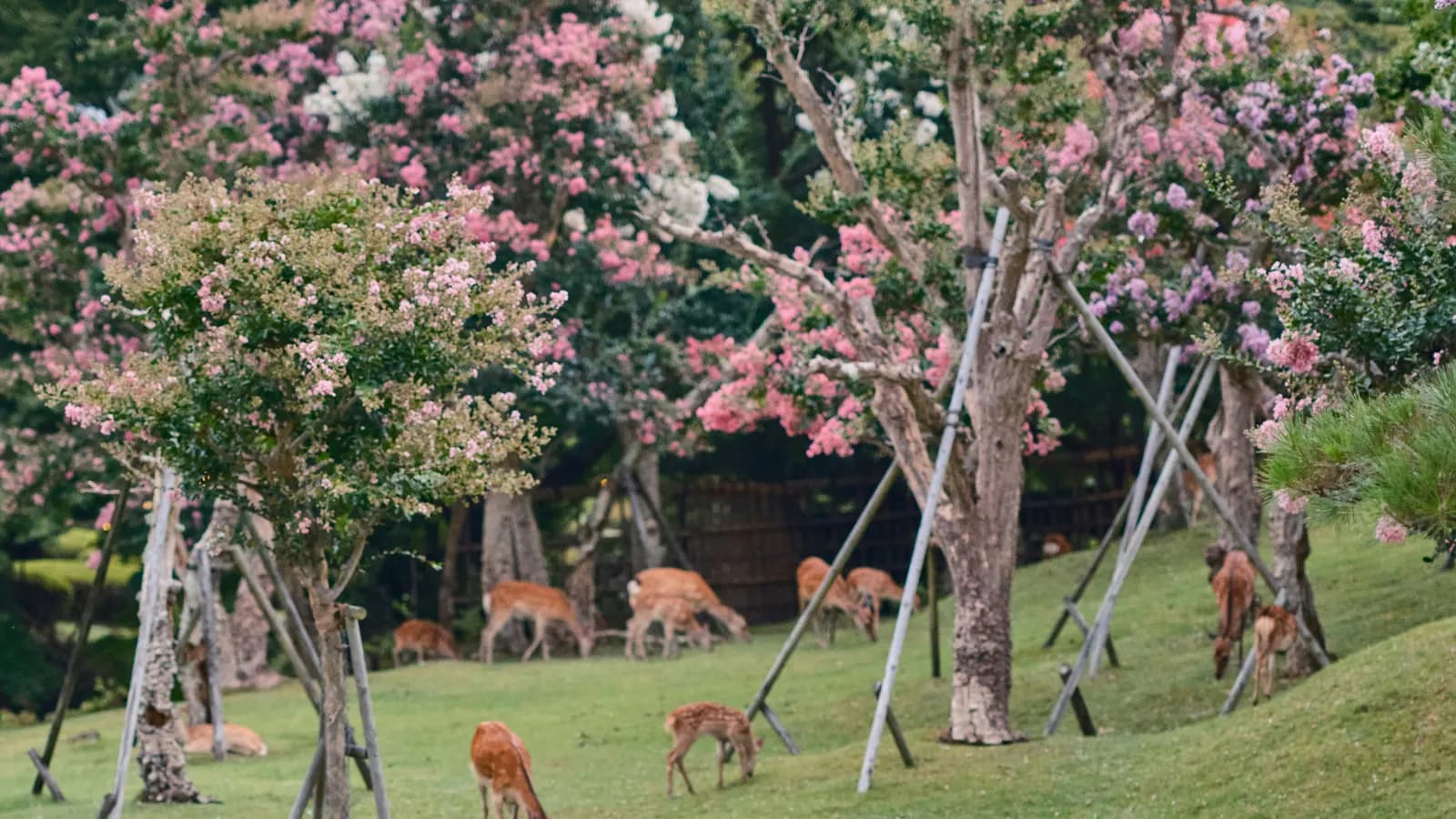
The deer nearest the main entrance areas are often the boldest and most impatient. If you want a calmer interaction, buy crackers later or keep them hidden until you walk deeper into the park, toward quieter areas like around Ukimido. The deer tend to be less frantic, and the background looks much better too.
5) Shigenoi only works if you respect closing patterns
Small-city lunch logic applies here too.
- closed on Wednesdays
- also closed on the third Tuesday of the month
- lunch waits can happen, especially around peak hours
Low-Fatigue Timeline
Day Trip Timeline from Osaka Namba
| Time | Plan | Practical note |
|---|---|---|
| 08:50 | Arrive at Osaka Namba Station | Find the Kintetsu platform first |
| 09:00 | Take the Kintetsu rapid express | Slightly slower than the limited express, much better value |
| 09:40 | Arrive at Kintetsu Nara Station | Exit 2 is the easiest start point |
| 09:50 | Walk toward Nara Park | Locker check first if you have bags |
| 10:10 | Start in Nara Park | Do not pull out deer crackers immediately |
| 10:40 | Reach Nandaimon Gate | Before 11 a.m. is noticeably calmer |
| 11:00 | Visit Todaiji | 40-50 minutes is a realistic stay |
| 12:05 | Walk to Shigenoi | Aim to enter before peak lunch traffic |
| 12:20 | Lunch at Shigenoi | A 20-30 minute wait is possible |
| 13:30 | Walk Naramachi | Good time for coffee or a short rest |
| 15:00 | Return to Kintetsu Nara Station | Buy souvenirs here, not mid-route |
| 15:20 | Train back to Osaka | A comfortable return slot |
Rough Budget
| Item | Cost |
|---|---|
| Osaka Namba <-> Kintetsu Nara rapid express | about 1,360 yen |
| Todaiji admission | 800 yen |
| Deer crackers | 200 yen |
| Lunch at Shigenoi | 1,200-1,800 yen |
| One cafe stop | 600-900 yen |
| Total | about 4,200-5,000 yen |
Key Stops, Practical Tips Included
1) Todaiji — The scale hits you through the air before the statue itself does
The closer you get to Nandaimon, the heavier the atmosphere feels. Then you enter the hall and the space itself becomes part of the experience. The Great Buddha is impressive, but what really overwhelms most visitors is the combination of giant timber architecture and stillness.
- Practical tips
- Before 11 a.m. is the best window
- Wet stone and steps get slippery in rain
- If the pillar-hole line is long, skip it without regret
- Google Maps
- Navigation search
東大寺orTodaiji Temple
2) Nara Park — The real skill is managing distance, not just feeding deer
The deer are cute, but once they spot the cracker packet, the pace changes fast. The smartest move is not handing out food the second you buy it.
- Photo tip
- skip the entrance area and go deeper into the park
- quieter grassy areas and the Ukimido side work better
- Interaction tip
- break crackers into smaller pieces
- do not leave them visible in an outer bag pocket
- if traveling with children, let an adult hold the crackers
- Google Maps
3) Shigenoi — The lunch stop that turns a sightseeing route into an actual trip
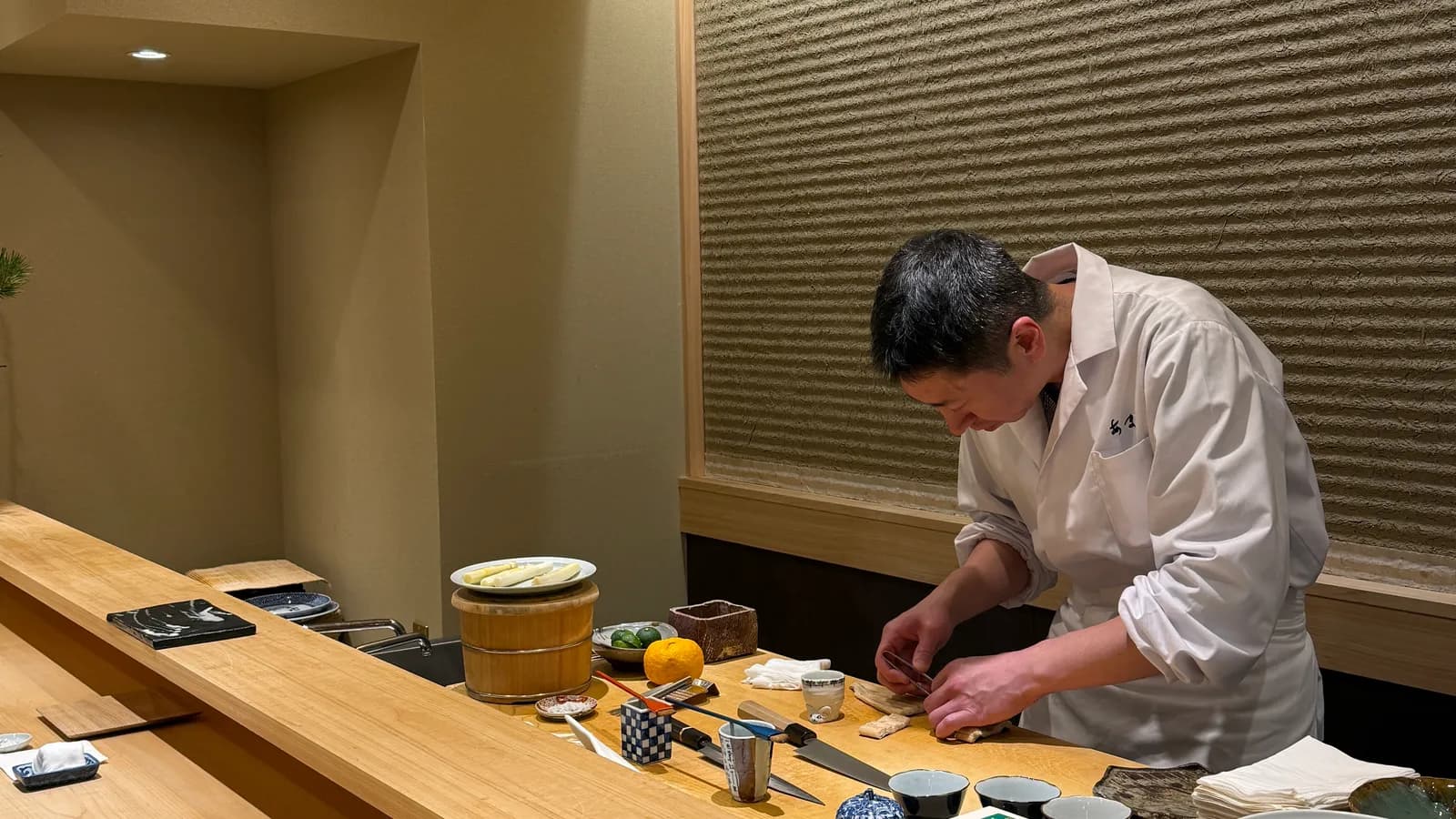
Shigenoi matters because it gives the day texture. It does not look flashy, and that is part of the appeal. It feels like the kind of place local regulars keep returning to without ceremony.
- What to order
- start with a
kamaage udonstyle bowl if available - in some cases you may also get inari sushi or chirashi-style side rice
- start with a
- Practical tips
- check the Wednesday and third-Tuesday closures
- even when there is a line, turnover is fairly quick
- Useful Japanese
Kore to kore onegaishimasu.— This and this, please.Kamaage udon hitotsu onegaishimasu.— One kamaage udon, please.
- Google Maps
4) Naramachi — The part of the day where you cut your pace in half
Naramachi is where the route exhales. Old merchant houses, narrow lanes, quieter shops, and small cafes make this a good place to slow down after the high-energy deer-and-temple sequence.
- Practical tips
- 40 to 90 minutes is enough
- better for browsing small shops than shopping heavily
- on hot days, choose one cafe and rest properly
- Google Maps
Plan B, Real Budget, and the Teaser
Plan B
- If it rains
- shorten your deer-park time and lean harder into Todaiji plus cafe time in Naramachi
- If Shigenoi is closed or the line is too long
- pivot to a station-area lunch immediately and protect the rest of the day
- If you're with older parents or young kids
- keep the deer feeding short and let Todaiji and Naramachi carry more of the day
Budget in One Sentence
A realistic Nara day trip from Osaka lands around 4,200-5,000 yen per person, or 5,500-6,000 yen if you add limited-express comfort.
Teaser for Your Next Escape
If Nara gives you history, animals, and a slower afternoon, the next natural move in Kansai is a city that feels more seasonal and more theatrical. Kyoto in cherry blossom season makes a strong sequel: Nara restores your balance, while Kyoto puts you right in the middle of seasonal perfection.