Saga rewards travelers who slow down. It is not a region for frantic checklists. It is a region for craft villages, small timing decisions, and the kind of taste that grows only when you compare things in sequence instead of buying too quickly.
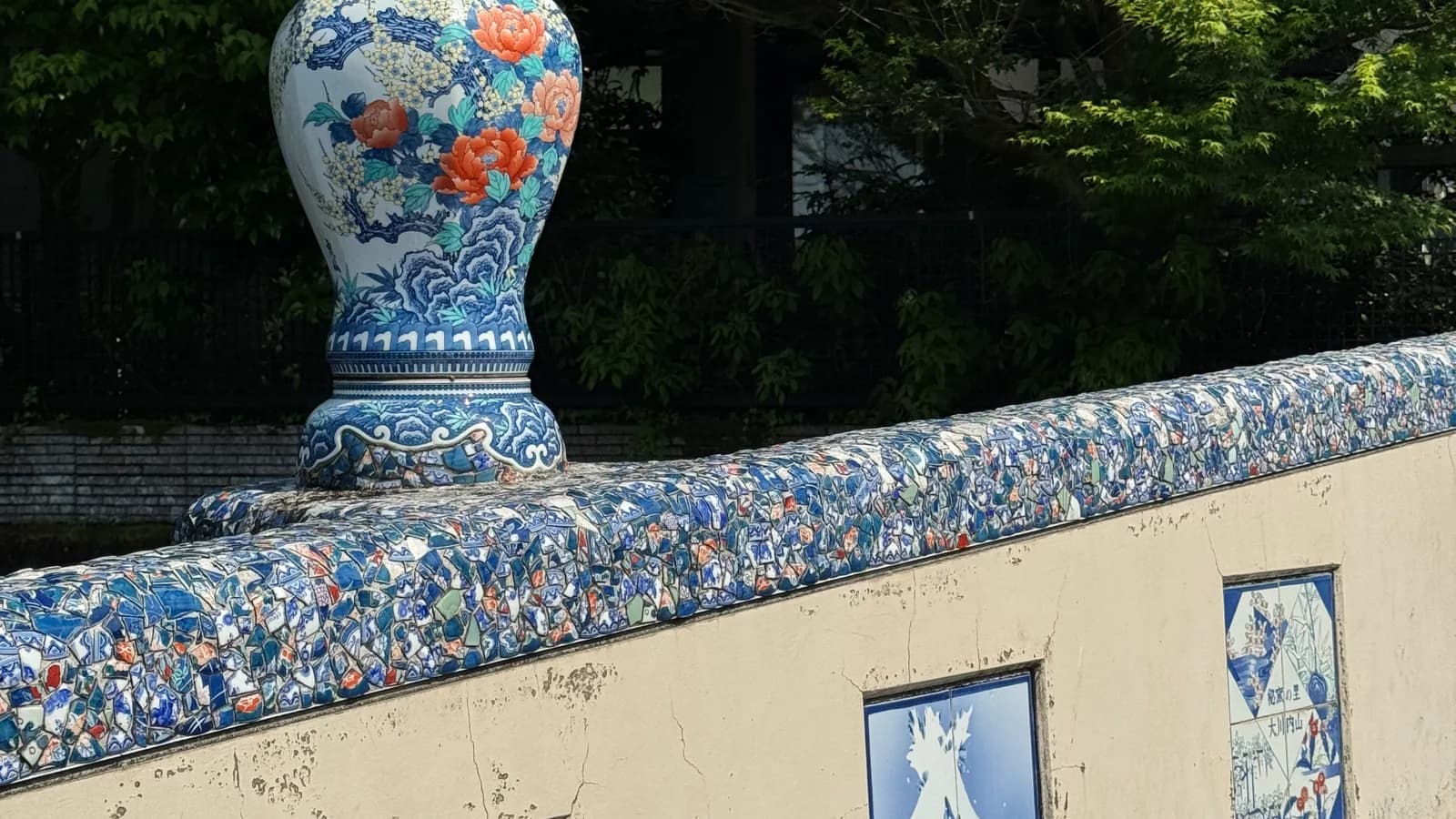
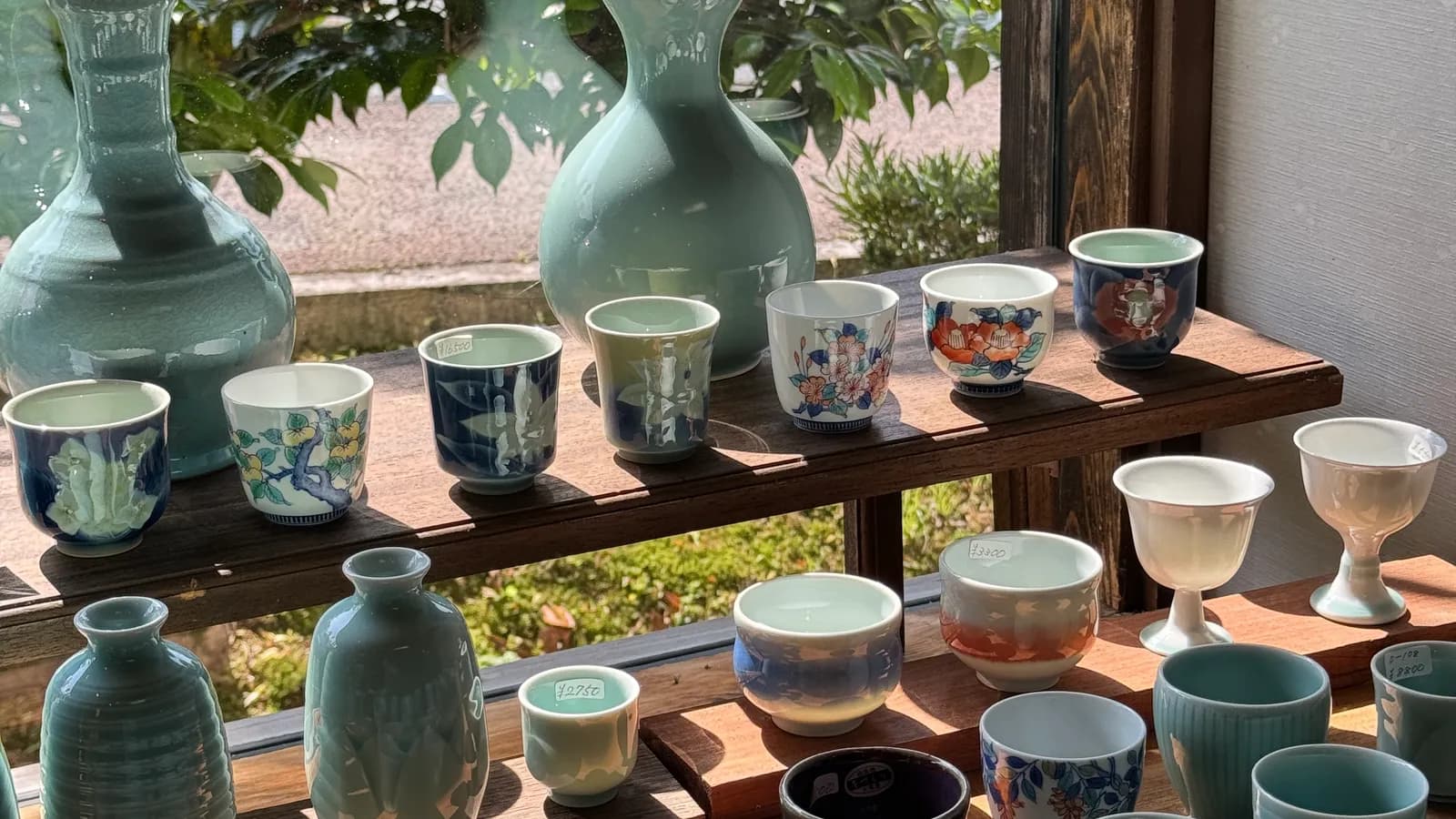
That is especially true in the ceramic belt. Arita, Imari, and Karatsu are not three versions of the same place. They are three different aesthetic worlds, and the route only becomes interesting once you feel those differences in order.
Who Saga Works Best For
- couples with strong aesthetic taste
- travelers who prefer slower, more selective routes
- repeat Japan visitors looking beyond the obvious Kyushu hits
Three Things to Remember Before You Go
- Do not buy too aggressively on the first day.
- Imari's hidden-village section is time-sensitive.
- Saga gets better when the route is curated, not crowded.
The Core of Saga
1) Arita
The refined opening chapter where your eye gets calibrated.
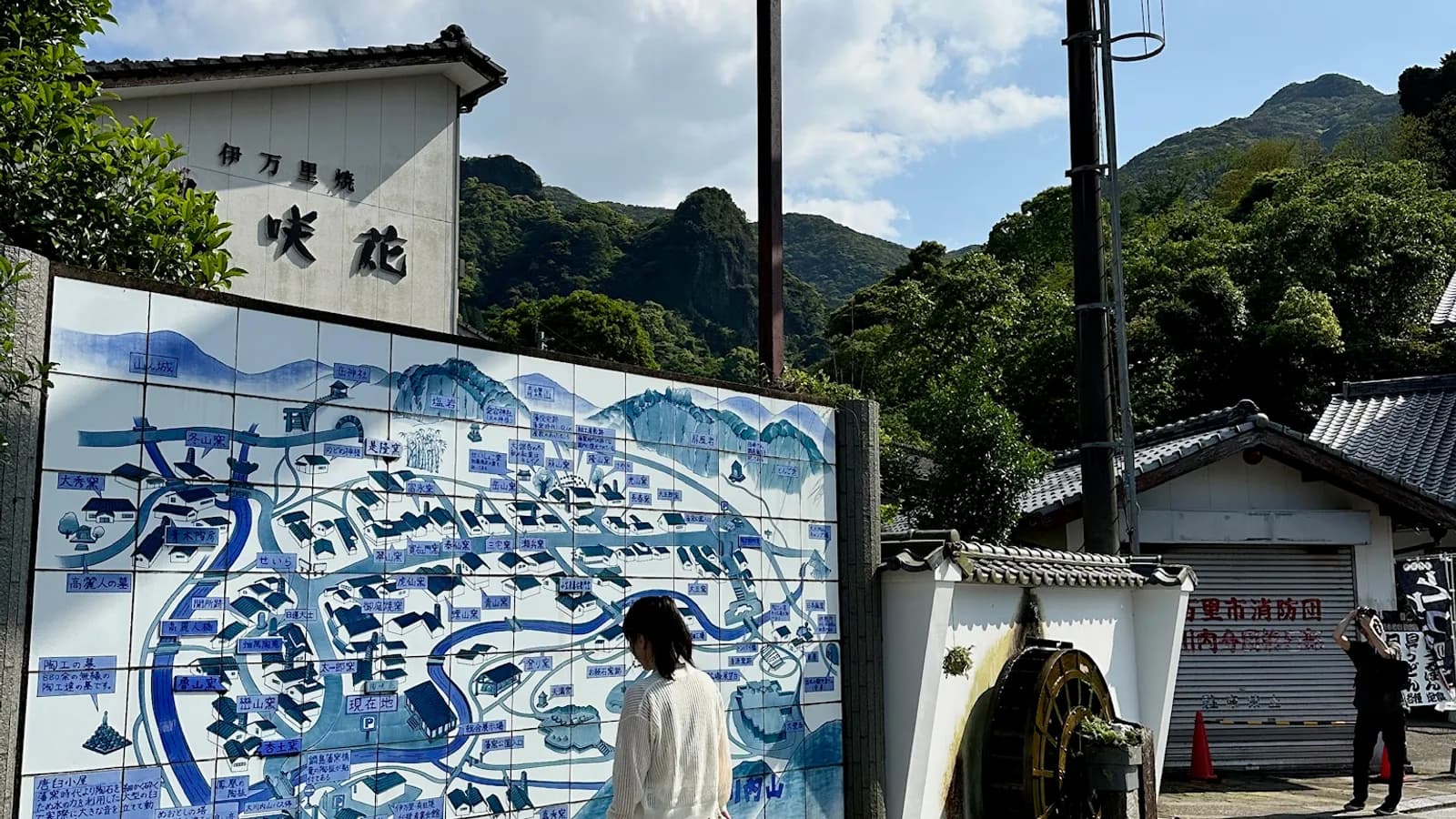
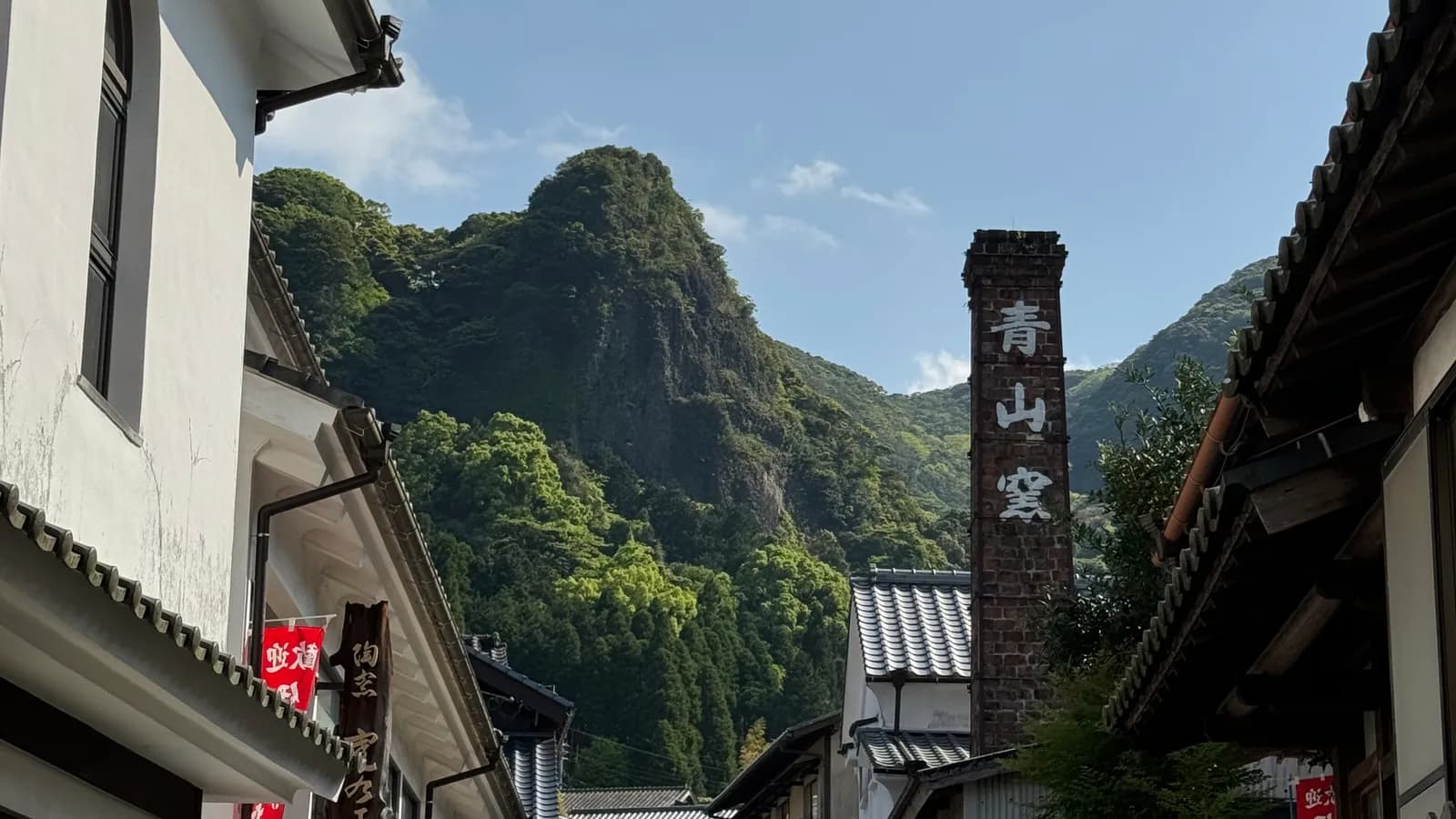
2) Imari / Okawachiyama
The hidden-density middle chapter where timing matters more than volume.
3) Karatsu
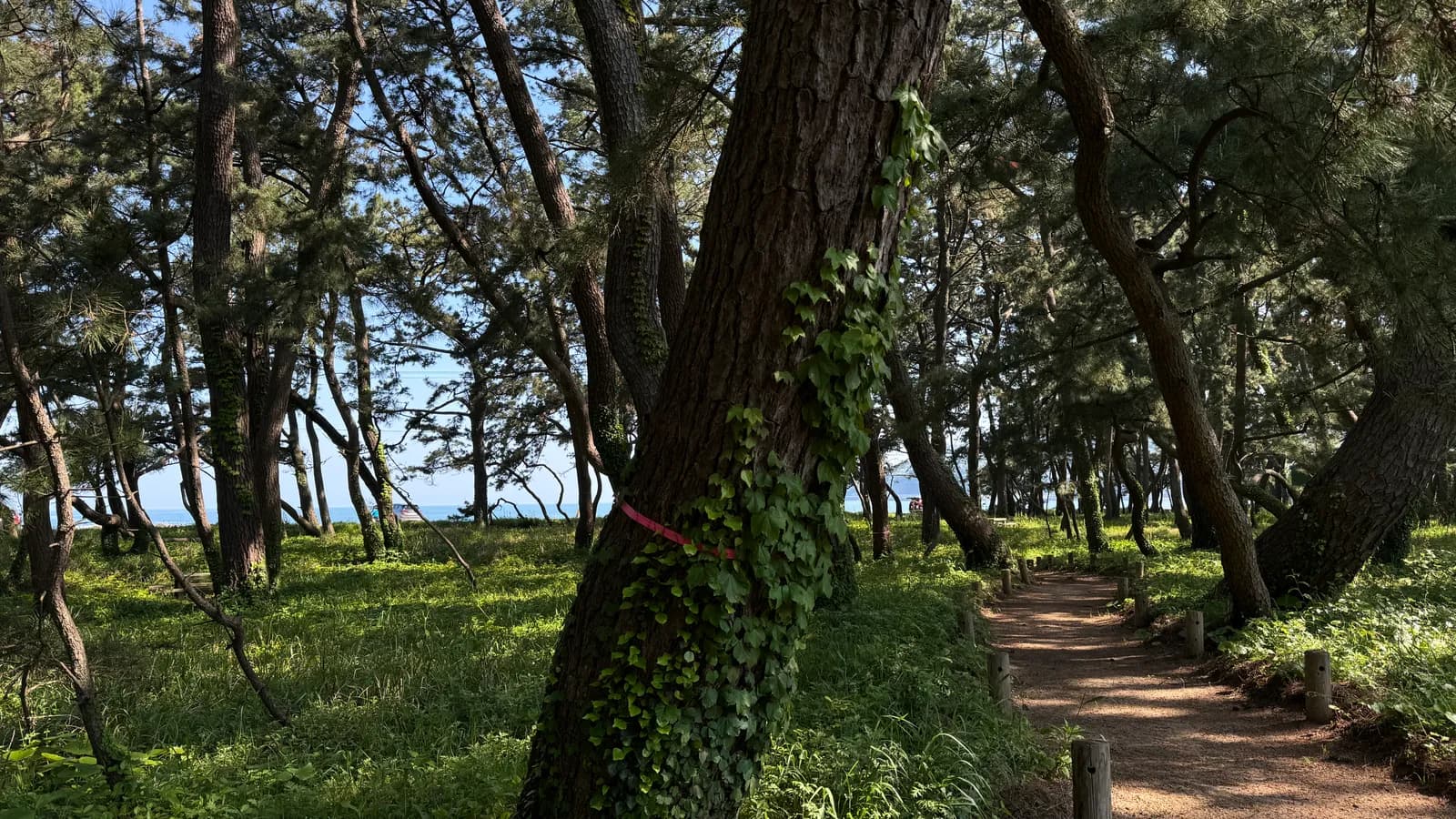
The earthier sea-air closing chapter that gives the route its final contrast.
Why the Free Overview Stops Here
This page should help you decide whether Saga fits your taste. The full paid guide is where the real value starts:
- which kiln stop deserves the taxi fare
- when to hold your shopping budget back
- what to do if you miss the Okawachiyama bus
- where to spend, where to save, and when to stop adding more
If You Want to Do Saga Properly
Saga becomes premium once the guide helps you manage taste calibration, shopping restraint, transport timing, and route pacing instead of just listing kiln names.
- Recommended guide:
src/content/guides/saga-ceramic-trail.mdx